
Kimberley World Heritage LISTING Project
Supporting and designing informed, culturally appropriate engagement before any World Heritage Listing is considered.
The Australian Government is interested in exploring World Heritage Listing in parts of the Kimberley.
No sites have been chosen.
The KLC has said PBCs and Traditional Owners must be informed, consulted and involved from the very beginning.
Our Country, Our Culture, Our Decision
the Project
The Australian Government (Department of Climate Change, Energy, the Environment and Water (DCCEEW)) told the KLC that it wants to explore nominating parts of the Kimberley. The KLC has said Kimberley Traditional Owners must be fully informed and consulted.
The government has provided funding for Kimberley PBCs to be consulted about World Heritage Listing and to make a plan that tells the government the culturally appropriate way for them to talk to Traditional Owners to identify any places and cultural values for nomination.
As such, the KLC has commenced the Kimberley World Heritage Listing Consultation Project (the Project).
-
What are the aims of the Project
The Project aims to give the Australia Government very clear direction about how they must consult and involve Kimberley Traditional Owners in any future plans to explore World Heritage Listing in the Kimberley region.
The Project is sharing information with Traditional Owners about World Heritage places and the benefits and challenges. The Project is asking PBCs, who want to help design a consultation plan, to nominate two representatives to join a workshop in September to make the plan. The consultation plan will explain the way the government must talk to Traditional Owners and how decisions should be made about any future plans for World Heritage nomination.
Most importantly, the Project will ensure Traditional Owners have enough information about World Heritage listing and Free, Prior and Informed Consent (FPIC) to design a consultation plan and process for the Australian Government to use when exploring potential heritage nominations in the Kimberley.
What will the KLC be doing as part of the Project
The KLC is now consulting all Kimberley PBCs, providing information and answering questions about World Heritage Listing. The KLC is meeting PBCs to talk about the Project and providing information to help PBCs learn about World Heritage listing – how sites are listed, the steps and time it takes, the benefits and disadvantages, risks and challenges for places that are listed and what needs to be done to make sure Traditional Owners have FPIC in the consultation plan.
As part of this, the KLC will hold a two-day workshop 16-17 September with representatives from PBCs who want to help design a consultation plan. At the workshop, representatives will talk about how the government must to talk to Traditional Owners and how decisions should be made when it comes to World Heritage Listing in the Kimberley.
The KLC will put all the information from the workshop into a document for the Australian Government so they clearly know how they must engage with and talk to Traditional Owners if they want to explore World Heritage nominations in the Kimberley.
How long is the Project
It is a year-long project to consult all Kimberley PBCs. The final consultation plan will be shared with the government before the end of 2026.
What is this consultation plan
It’s a plan that will tell the Australian Government how to talk to Kimberley Traditional Owners in any potential exploration of World Heritage Listing. It will be designed by Traditional Owners and given to the government.
For instance, the plan might include exactly who the government needs to talk to, what information is needed, the timeframes required to make decisions and what else might be needed to make decisions. It may even explain how this should be done at each step in the heritage listing process and it will explain the ways you want the government to do this. It is up to Kimberley Traditional Owners to decide together what must be in the plan.
How will this help Traditional Owners and PBCs
The Project will bring together representatives of Kimberley PBCs to design one consultation plan that explains how the Australian Government should consult you on any future exploration of World Heritage listing in the Kimberley.
What sites does the Australian Government want to list
The government is interested in exploring the potential for listing sites noted in the existing National Heritage Listing area in the Kimberley. They have not been specific about what sites. The KLC has explained they must consult all Traditional Owners, through their PBCs, because decisions in one area can affect other areas.
Also, Traditional Owners and PBCs may have their own ideas and aspirations about heritage listing or just wish to be kept informed about any such moves by the government.
Can we explore nominating other areas in the Kimberley
Yes. PBCs may recommend other sites they believe will benefit from World Heritage Listing. The Murujuga site listed in 2025 was led and initiated by the Traditional Owners who worked with the Australian Government on the listing process. However, all nominations for listing are put forward to the World Heritage Committee by the Australian Government.
Are we coming together to identify sites we want to list
No, not at this stage. This Project is to design a consultation plan that tells the government how Traditional Owners want to be consulted and make decisions in the future about World Heritage nominations in the Kimberley.
Can we join the September 2026 workshop to design the consultation plan
Yes. The KLC is inviting all Kimberley PBCs, who want to have a say in the way government should engage and talk to you about World Heritage places, to nominate up to two representatives each to join the September workshop where we will make the consultation plan. The PBC representatives will hear more about the Project and the World Heritage Listing process, and be able to listen to, talk to others and come up with one design plan that clearly tells the government how they must talk to Kimberley Traditional Owners.
What if we choose not to participate in the Project
The KLC will continue to share information will all Traditional Owners through their PBCs regardless of your involvement in the project. This will be done in meetings, AGMs and our other information products such as emails and newsletters. However, only those who express interest and nominate two representatives to join the workshop in September will be able to have a say in the consultation plan.
Can Kimberley PBCs say ‘no’
Yes, at the workshop in September, PBC representatives will have the opportunity to say that they do not want any World Heritage Listing in the Kimberley or be involved in any discussion with the government about it. If the PBC representatives want to be kept informed about any plans to explore the World Heritage Listing, the workshop will be an opportunity for PBC representatives to tell government how Traditional Owners must be kept updated and consulted in the future.
-
What are World Heritage sites
World Heritage sites are places that are considered priceless, unique and important for everyone in the world. Such sites have been internationally assessed and recognised by the World Heritage Committee to have ‘outstanding universal value,’ due to their cultural, historical and natural significance and form part of a common heritage for everyone.
The World Heritage Committee is an international body responsible for implementing the Convention - it decides what sites to list, it protects sites by making recommendations and provides international assistance to properties in need of support through the World Heritage Fund - such funds are limited and are provided to Member States / countries.
Sites that are World Heritage Listed are protected for future generations by the Convention for the Protection of World Cultural and Natural Heritage (also known as the World Heritage Convention). The Convention was adopted by member nations of the United Nations Educational, Scientific and Cultural Organisation (UNESCO) in 1972 to help countries identify and safeguard the world’s most outstanding heritage sites, while also respecting national sovereignty. Australia is a member of UNESCO and has adopted the Convention.
What is cultural and natural heritage
Under the convention, a place can be listed for cultural values, natural values, or both.
Cultural heritage refers to monuments, groups of buildings and sites with historical, aesthetic, archaeological, scientific, ethnological and anthropological value.
Natural heritage refers to physical, biological and geological formations, habitats of threatened species and areas within scientific, conservation or aesthetic value.
However, there is ongoing debate about these definitions and the link between cultural and natural heritage. Many traditional societies, academics and others often see the two as inseparable. For instance, Aboriginal Australians cultural stories explain how places and sites came to be and how Aboriginal practices and beliefs have shaped landscapes.
What is the process for listing a site
The Australian Government is responsible for nominating sites to be assessed for listing within Australia. The process of making a nomination for World Heritage assessment must meet at least one of the 10 criteria and can take many years to complete and involves several key steps and different people along the way:
Tentative list: The first step is to have the place added to the Tentative List, indicating Australia’s intention to nominate it for World Heritage assessment. Sites must be on a Tentative List for at least 2 months before preliminary assessment or a nomination can be submitted. The list should identify sites to be considered over the next 10 years.
According to the guidelines:
State Parties are encouraged to prepare their Tentative Lists with the full, effective and gender-balanced participation of a wide variety of stakeholders and rights-holders, including site management, local and regional governments, local communities and indigenous peoples, Non-Government Organisations (NGOs) and other interested parties and partners. In the case of sites affecting the lands, territories or resources of indigenous peoples, State Parties shall consult and cooperate in good faith with indigenous peoples concerned through their own representative institutions to obtain their Free, Prior and Informed Consent (FPIC) before including the sites on their Tentative List.
Preliminary assessment: A desk-based process that builds on information provided during the Tentative Listing phase to ensure a nomination is making the strongest possible case for World Heritage Listing.
Nomination dossier: Once sites are given the go-ahead by the World Heritage Committee, State Parties such as Australia must prepare a comprehensive report detailing the site’s outstanding value, integrity, authenticity and management systems for their country’s Tentative List. The Committee can advise on the content of the report, including descriptions, features, maps etc. Important in this step is a solid strategic management plan that guides the ongoing monitoring, operation and management of the site.
Assessment: The Australian Government submits a nomination for assessment to the UNESCO World Heritage Centre where it is assessed by two independent technical advisory bodies and relevant experts mandated by the World Heritage Convention, the World Conservation Union (IUCN) and the International Council of Monuments and Sites (ICOMOS). A third advisory body advises on conservation activities, training etc – the International Centre for the Study of the Preservation and Restoration of Cultural Property (ICCROM). The assessment process takes at least a year.
Decision: The World Heritage Committee meets once a year to decide which nominated places will be inscribed on the list, and what values will be included for each place. The Committee can decide to list, defer, refer, or not to list the nomination.
Ongoing commitment: Once a site and its values are listed, the government, and those deemed responsible for ongoing management (outlined in the management plan) must continue to monitor, manage, protect and conserve the site. The government must also continue to report the status of the site and the listed values to the World Heritage Committee so they can continue to assess the site’s condition and review issues for any remedial interventions such as listing the site as ‘in danger.’ Periodic reporting to the Committee is done on a six-year cycle.
These steps help to make sure that places recognised for their outstanding universal value are adequately protected for future generations.
What is a Strategic Management Plan and why is it important to have one ready in the nomination process
A strategic management plan forms a key part of a World Heritage nomination. It outlines how the site will operate and how the listed values will be managed.
It is critical Traditional Owners are given the opportunity to direct and be completely embedded in this plan and the ongoing management and decision-making process of the site (this includes the whole listing process from identifying sites and values, review, nomination, to the way a site is described and ongoing site management once a site is listed).
Once a site is listed the management strategy becomes the operating framework that guides the ongoing management. The management plan must express exactly what Traditional Owners want and can live with after listing. It should spell out exactly what must happen at every step and in every aspect of ongoing management of the site and the listed values. The principles of Free, Prior and Informed Consent should underpin the management plan (as well as the whole listing process).
How many sites in the world are already listed
As of 2025, 1,248 sites are on the UNESCO World Heritage List.
A Global Strategy for a Balanced and Representative List was adopted by the World Heritage Committee in 1994 to ensure the list reflects diversity of the world’s sites and notably under-represented parts of the world and in categories which are not yet fully represented on the list.
What sites are already listed in Australia
Australia has 21 sites already World Heritage Listed including Uluru, Kakadu, Gondwana Rainforest, Great Barrier Reef, Budj Bim Cultural Landscape, Purnululu National Park, Ningaloo Reef and Murujuga Cultural Landscape. A further eight are currently on Australia’s Tentative List.
-
What is Free Prior and Informed Consent (FPIC)
There is no single definition of FPIC as it should be flexible to address specific needs of different communities and First Nations people. In general though, FPIC comes from the idea of self-determination and Indigenous peoples’ right to determine their political, social, economic and cultural priorities and needs.
FPIC principles are enshrined in several frameworks including the United Nations Declaration on the Rights of Indigenous Peoples (UNDRIP), which Australia has endorsed. FPIC is not just a tick box exercise but is a process that must be respected and enabled, with consultation a qualitative process of dialogue and negotiation.
Australian Government / DCCEEW FPIC principles:
Free – decisions are free from force, intimidation, manipulation or coercion
Prior – no decision expected before sufficient time for consultation and consideration
Informed – decisions informed by accessible and comprehensive information
Consent – decisions are made by those affected by actions through customary decision-making processes. Where consent is given it reflects agreement to participate or proceed.
Why is FPIC important
FPIC helps to make sure that Traditional Owners have the chance to participate and make decisions about anything to do with their lands, territories and resources. It helps make sure consultation, discussion and decision-making and ongoing management processes are culturally appropriate and that Traditional Owners are listened to and can make decisions.
The FPIC principles should be included in every step and process to explore and nominate World Heritage Listing. For this reason, the Project will make sure Traditional Owners, through the PBCs have the chance to tell the government how they want to be engaged, consulted and involved in decision-making about World Heritage Listing - before the government begins exploring or considering nominating any sites in the Kimberley region.
How do we ensure FPIC is embedded in every step of a World Heritage Listing process if the Australian Government decides to consider nominating sites in the Kimberley region
By designing your own consultation process that tells the Australian Government exactly how you want to be consulted, included and involved in any exploration or discussion or process to consider World Heritage Listing any part of the Kimberley region. The design of such a process will be informed by Traditional Owner knowledge, needs and interests and underpinned by FPIC at every step.
As a key part of the Project, the KLC is inviting PBCs to nominate up to two representatives to join a two-day workshop to design a consultation process. The consultation plan and process will be underpinned by the principles of FPIC.
-
In general, listed sites gain no additional protection under Australian law from World Heritage Listing than what is already provided with National Heritage Listing. This is an important point to understand.
Like National Heritage Listing, sites are protected under Australian Government legislation including the Environment Protection and Biodiversity Conservation Act 1999 (Cth) (EPBC Act) and relevant State laws. And while World Heritage Listed sites must comply with World Heritage management principles and provide periodic reporting, ultimately it is expected that Australia will take action if sites are threatened, endangered or mismanaged.
However, World Heritage Listing brings global scrutiny and pressure which may be a powerful tool to persuade a country to take action, protect and conserve sites.
As seen elsewhere there are benefits, disadvantages and challenges for listed sites. It can increase tourism, visibility, boost economic and business growth, improve job opportunities and development and strengthen local capacity and skills.
However, if Traditional Owners and local communities are not involved in and are not central to the processes right from the start, the potential benefits that can come with listing can trigger negative impacts such as marginalising Traditional Owners, increasing poverty and damaging cultural heritage values.
Decisions must be made with full authentic engagement of Traditional Owners underpinned by FPIC.
CASE STUDIES
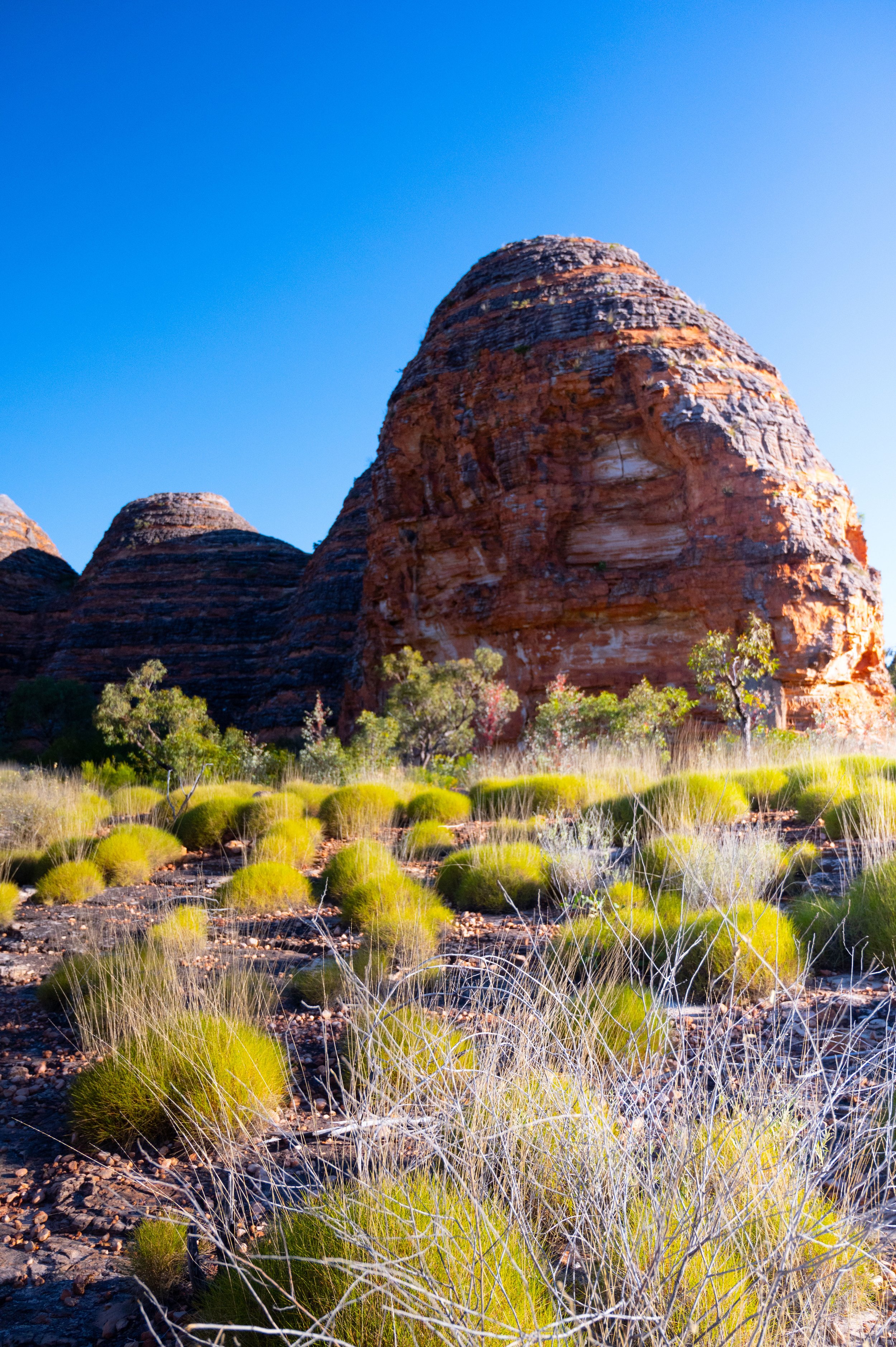
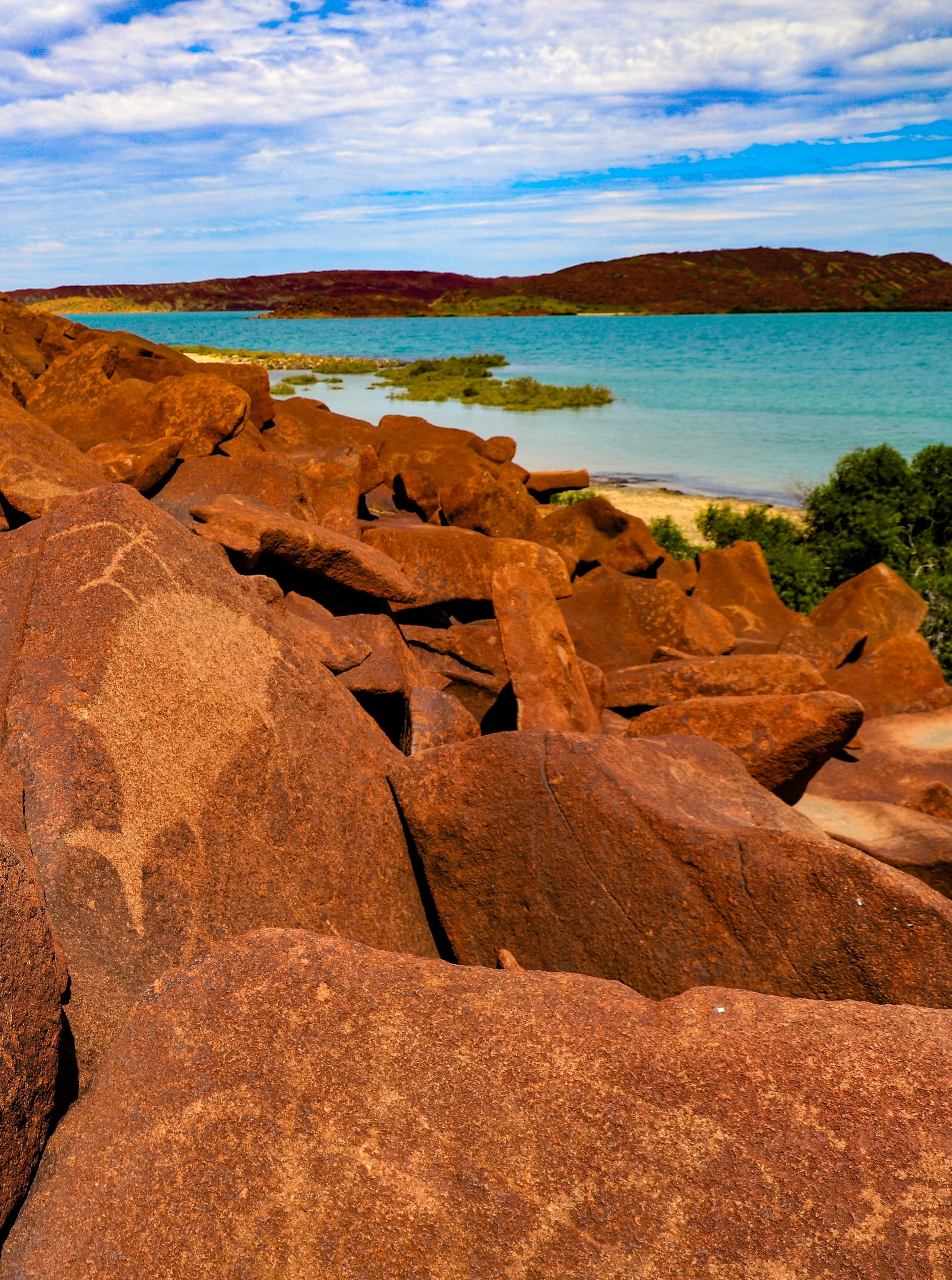
Some of the best ways to get informed and learn about World Heritage Listing is by looking at sites already listed and listening to other Traditional Owners, PBCs and people who were involved. In Western Australia two sites that have very different experiences to share are Purnululu National Park (Bungle Bungles) and Murujuga Cultural Landscape.
Below is a short summary about their experiences and current situation.
Common Questions & Answers
-
World Heritage sites are places that are considered priceless, unique and important for everyone in the world. They may be important because of culture, history, nature, science, beauty or the way people and Country are connected. Listing them helps ensure global attention, conservation support and protection for future generations. To be listed, a place must show Outstanding Universal Value as assessed by the World Heritage Committee.
-
National Governments nominate sites in their country that they think are worthy of listing and meet the criteria for being listed. The World Heritage Committee assesses the site and makes the final decision for listing. To be considered for World Heritage Listing a site must first be put on Australia’s Tentative List – the Australian Government may consider nominating a site on this list in future.
-
World Heritage Listing can take many years. For example, Murujuga Cultural Landscape on the Burrup Peninsula in Western Australia took eight years to list. A World Heritage Listing process involves many people and a series of steps, including initially adding places to a Tentative List before preparing it for a nomination process. The World Heritage Committee only reviews nominations once a year – and the assessment process involves different people visiting and assessing sites. There can be many questions to follow up with different people, and this can add years onto the process.
-
The Australian Government made an election promise to explore World Heritage sites in the Kimberley, and that this would be “led” by Traditional Owners. The Australian Government has told the KLC it is interested in exploring sites in the West Kimberley with reference to the current National Heritage Listed area. The KLC said it must consult Traditional Owner groups and PBCs because decisions in one part of the Kimberley can affect other parts.
-
Yes. Kimberley Traditional Owners, working through their PBC or native title claim groups, can identify, consult and recommend sites in the Kimberley for the government to explore World Heritage Listing, but only the government can nominate sites. The KLC has opened up the Project to all Kimberley Traditional Owners groups and PBCs – to input into the consultation plan which tells the government if and how they want to be consulted and involved in any discussion about places in the Kimberley.
-
Yes. This is important. And it is one of the reasons Traditional Owners need to be consulted and involved in any discussions about World Heritage Listing through their PBCs. It’s also why this Project is important as it is the opportunity to sit with other Traditional Owners and discuss these rules before the government explore any listing in the Kimberley. The purpose of the September Workshop for representatives from PBCs and native title claim groups is to come up with a common understanding and approach with other Kimberley Aboriginal people that tells the government how you want to be consulted.
-
While the Australian Government has formal power to nominate sites for World Heritage Listing, the Operational Guidelines require Australia to seek and obtain Free, Prior and Informed Consent (FPIC) from Traditional Owners before progressing both Tentative Listing and World Heritage nominations.
-
National Heritage Listing (NHL) is an Australian recognised listing while World Heritage Listing (WHL) is recognised globally – and involves international monitoring and periodic reporting. In general, WHL provides no direct additional protection or funding. Like NHL, it is protected by Federal laws, in particular the Environment Protection and Biodiversity Conservation Act (Cth) (EBPC Act). While there is no further protection from WHL – the addition of WHL can bring global scrutiny and public advocacy and support. It can also bring greater public interest, tourism, business growth and social / economic development which can be both positive and negative for Traditional Owners.
-
The State Government cannot block the listing process. The Australian Government can nominate places for World Heritage Listing, and the World Heritage Committee makes the final decision about adding a place to the list. However, it is unlikely that any sites not supported by the State Government will be nominated by the Australian Government.
-
This can be possible. The Murujuga site was listed for cultural heritage values. The Traditional Owners took a lot of time to think about the language and what culture means to them. The words they came up with were used in their submission to the World Heritage Committee and are reflected in the way it is listed.
-
Yes. We can learn from other experiences of World Heritage Listing in Australia. The different experience of Purnululu National Park, Murujuga Cultural Landscape and Budj Bim Cultural Landscape (south-western Victoria) for example can show us what happens when there is no or limited involvement of Traditional Owners compared with strong involvement from the beginning. We can learn from these experiences, and from the Traditional Owners who were involved, how you want the government to consult and involve you and what must be put into the consultation plan. Traditional Owners can also understand some of the benefits and risks of listing sites.
-
Yes. This is one of the reasons that the KLC is contacting all PBCs and native title claim groups. It is important all Traditional Owners understand World Heritage Listing and decide if they want to be part of the process and design how they should be consulted and involved in any plan to explore listing any sites in the Kimberley.
-
This is an important part of this KLC Project, to bring representatives from PBCs and native title claim groups together to design a process that expresses the way you want to be consulted if the government wants to explore listing any sites in the Kimberley. The consultation process is to support discussion between Traditional Owners and to come up with a common understanding and approach about the way Kimberley Aboriginal people want to be consulted by the government – well before the government decides to explore listings.
-
No. The World Heritage List is not exhaustive – it provides a representative list of unique and different sites. To be listed a site must have features and values that are not on the list already.
-
The Project is to work with Kimberley Traditional Owners through their PBCs and native title groups – to share information, answer questions and learn about World Heritage Listing, and together, design a consultation plan that tells the government how they must talk to Kimberley Aboriginal people if they want to explore nominating sites in the Kimberley. The Australian Government funded the Project.
-
Traditional Owners should contact their PBC or native title group to learn more about the Project including the September workshop. KLC is talking to Traditional Owners through their PBCs and native title groups about the Project, producing and distributing information and answering questions. KLC is also holding a workshop in September to design the consultation plan. PBCs and native title groups are being invited to nominate representatives to join the workshop.
Additional information may be found at these links:
Contact: Michelle Rice, World Heritage Listing Project Manager
Phone: 0473 228 098
Email: michelle.rice@klc.org.au