
Indigenous Rangers Lead the Charge to Protect Kimberley Coast at Largest-Ever ISWAG Forum
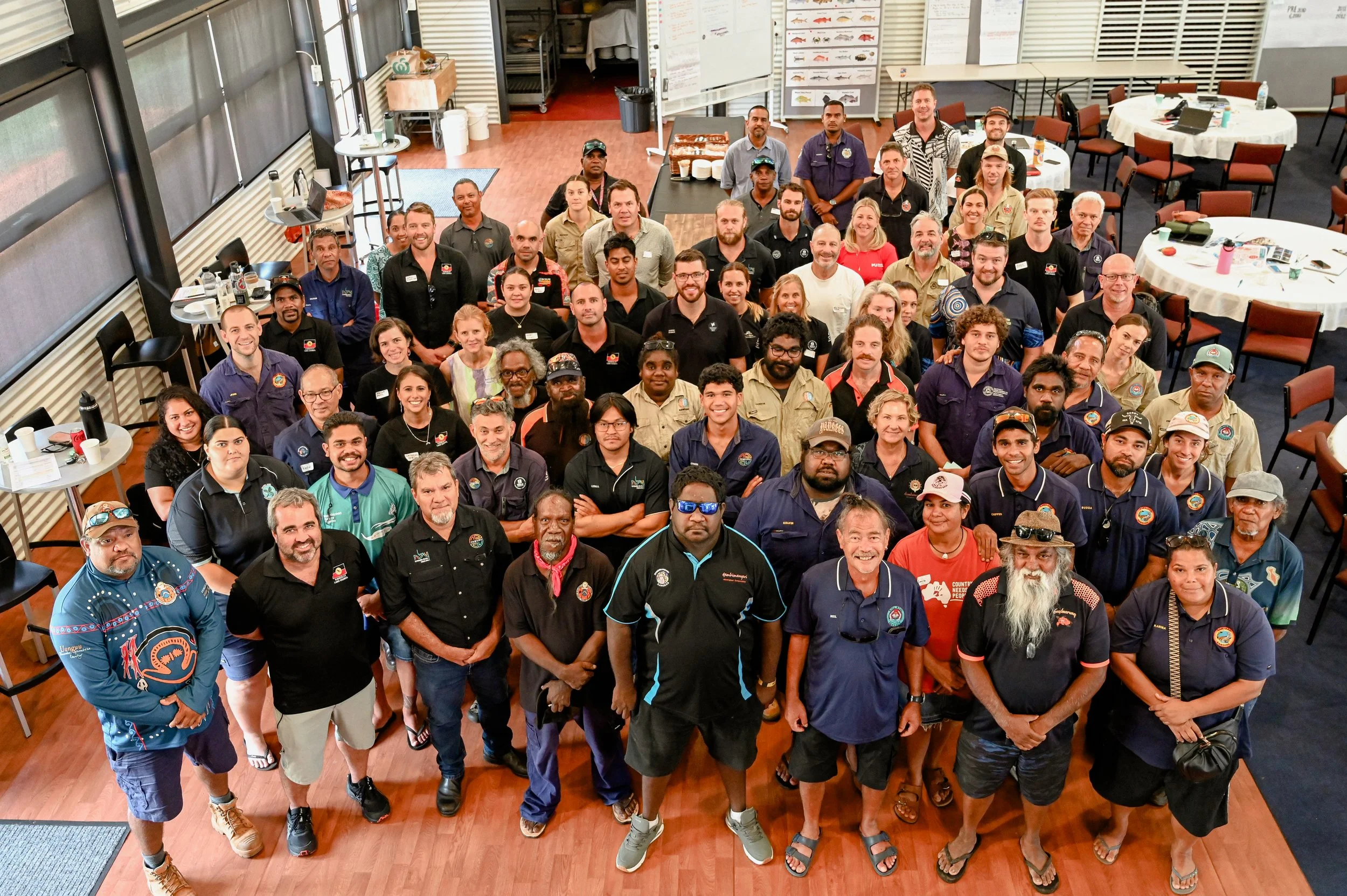
Indigenous Rangers are leading the charge to protect Australia’s far north coastline, as record numbers of Traditional Owners gathered in Broome this week for the largest-ever Indigenous Saltwater Advisory Group (ISWAG) Annual Forum.
With the Kimberley coast facing growing pressures from climate change, illegal fishing, offshore oil and gas and increasing tourism, more than 60 Rangers and Traditional Owner representatives from ISWAG’s 11 member groupscame together to set priorities for the future of sea country management.
Formed in 2014, ISWAG has been strengthening Indigenous voices in marine research, policy and management for over a decade. The network spans almost the entire Kimberley coastline, providing vital cultural knowledge and on-ground expertise, and enabling year-round collaboration with leading researchers and government agencies to guide decisions that affect Country and communities.
The 2025 ISWAG Forum brought members together with key government and research partners to address urgent issues including:
· The devastating impacts of the recent WA marine heatwave on coral reefs and seagrass
· The rise of illegal fishing and unauthorised boat arrivals, and the role of Indigenous Rangers as expert eyes and ears on the ground
· Protecting culturally significant species such as dugong and green turtle
· Ensuring stronger Indigenous representation in fisheries policy and management
· Managing the growing pressures of tourism and offshore oil and gas on the Kimberley coast
Key outcomes from the forum included commitments to a Kimberley-wide dugong monitoring program,strengthened ISWAG governance and renewed collaboration to ensure Indigenous voices remain central in marine management across the region.
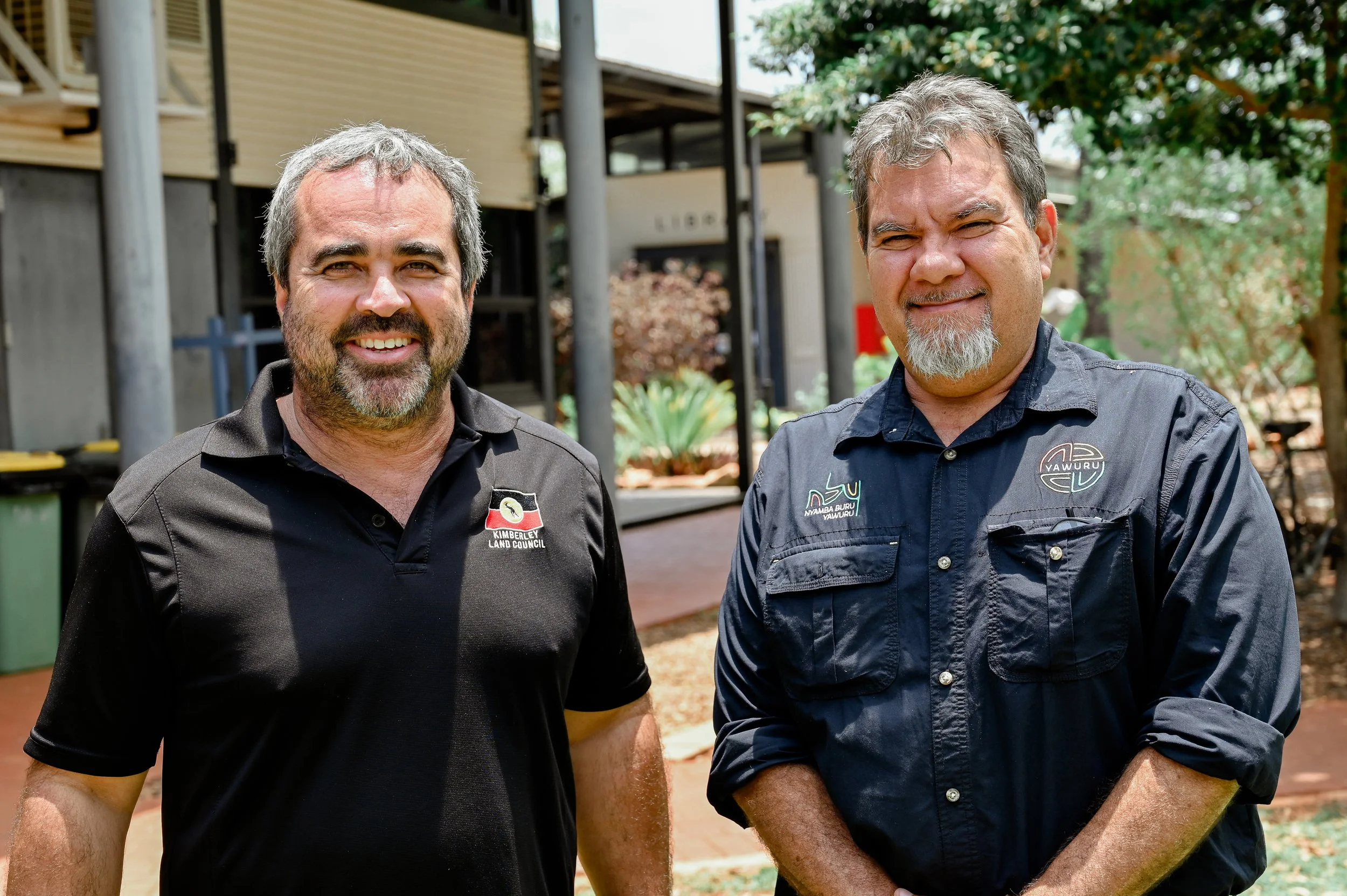
ISWAG Co-chairs: Daniel Oades & Dean Matthews
“Indigenous rangers are on the frontline, protecting the Kimberley coast every day - from monitoring coral reefs, fish and dugong populations to responding to climate impacts. We’ve shown that when Traditional Owners lead the way, we can influence national policy and shape how land and sea are managed right across the country. This forum is about working together as one region, sharing knowledge and making sure Indigenous voices guide how the coast is managed. We’re not just responding to change; we’re leading it, ensuring our sea Country is healthy for generations to come”
— Daniel Oades, Kimberley Land Council, Land and Sea Unit Manager, Co-Chair, ISWAG
“The forum provides a space for facilitating discussions on collaborative regional projects and opportunity for a collective voice to influence our authority for sea country, a united voice of Kimberley Traditional Owners and the importance of tackling climate, industry, and tourism pressures together.”
— Dean Matthews, Co-Chair, ISWAG
ISWAG Co-Chairs also represent Kimberley interests on state and national advisory bodies, ensuring Indigenous perspectives influence marine conservation and fisheries management policy at every level.
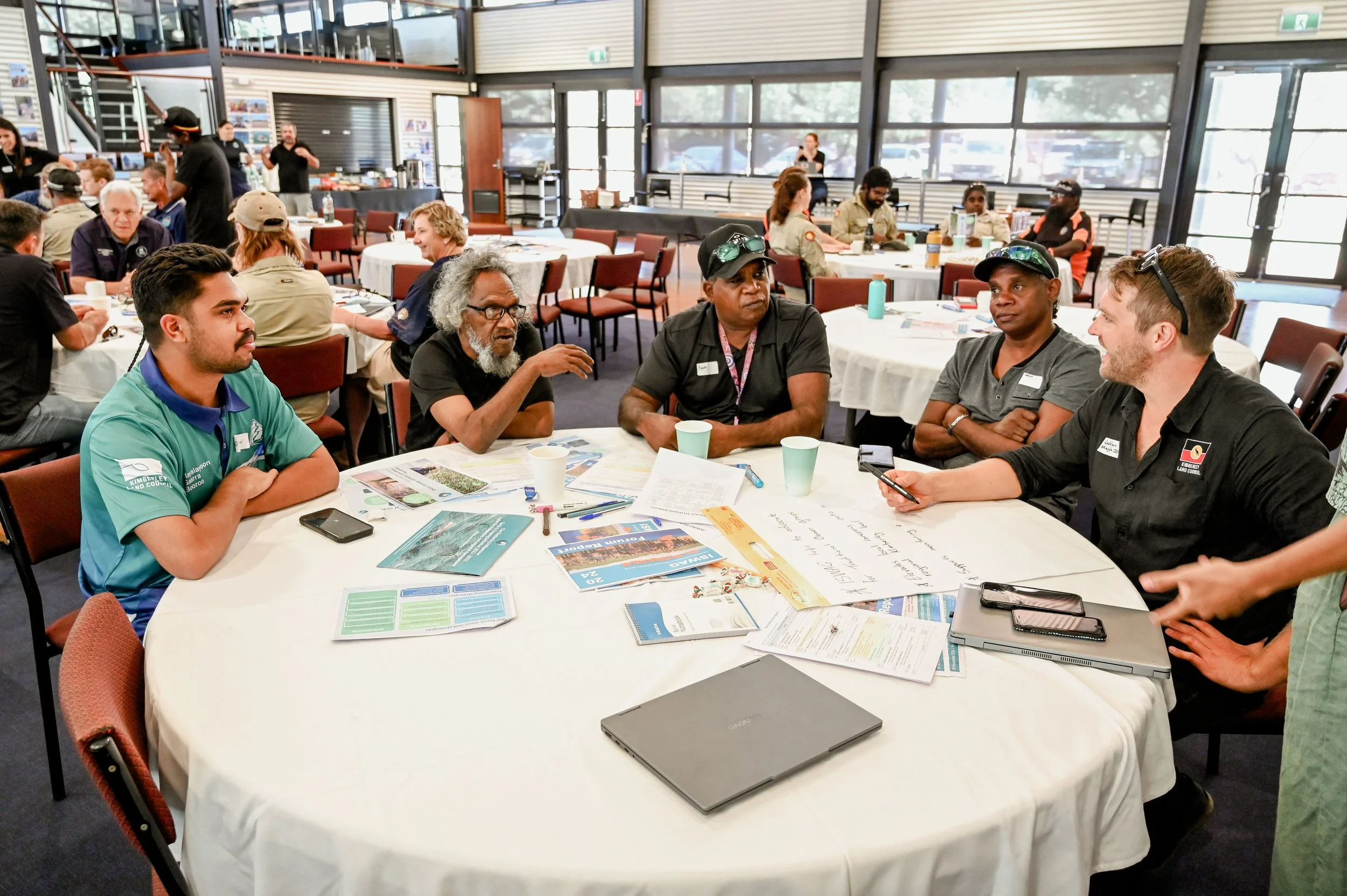
ISWAG is co-hosted by the Kimberley Land Council and Nyamba Buru Yawuru, with funding support from Australian Marine Parks and the Department of Primary Industries and Regional Development (DPIRD).
ISWAG Member organisations:
Balanggarra
Bardi Jawi
Dambimangari
Karajarri
Jabirr Jabirr - Ngumbarl
Mayala
Nimanburr
Nyangumarta
Nyul Nyul
Wunambal Gaambera
Yawuru